Sign Up For a Webinar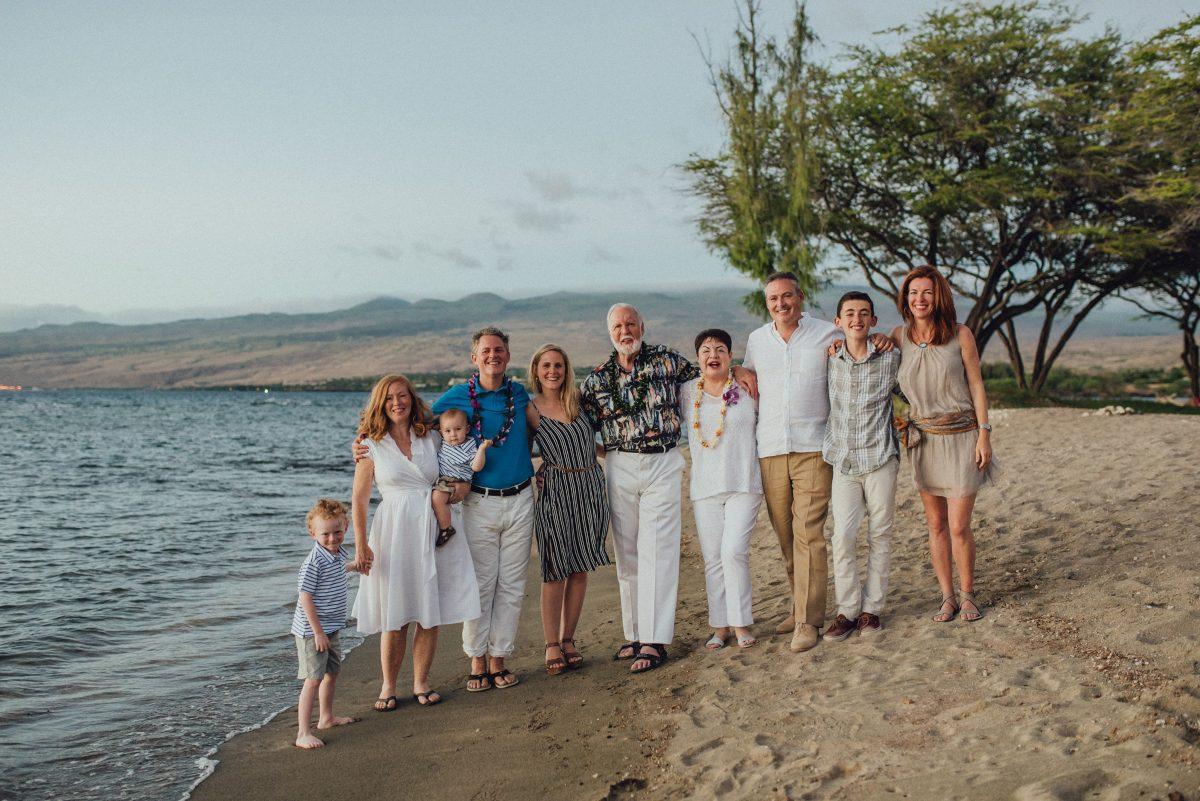




Estate planning is especially challenging for blended families. They must consider how an estate plan will impact the surviving spouse, biological children, and stepchildren. Understanding the dynamic of your blended family and the degree to which all parties can work together or maintain a relationship after your passing is crucial. Avoiding the probate process can be one way to simplify things after your death.
Trusts Can Help Avoid Probate
If you die with a Will, your Will must be probated and an executor must be appointed by the Surrogate’s Court before gaining access to your assets, paying your bills, or making distributions to your beneficiaries. The probate process requires that your heirs-at-law (spouse and children, but not stepchildren) be served with a copy of the Will and sign consents or be given the opportunity to file objections, even if you have disinherited them.
If you are looking to avoid this, a trust may be your answer. The trust can do all the heavy lifting of directing how your estate is handled, but it does not require any notification to your family members or court intervention to empower the trustee to enact your estate plan.
Benefits of Trusts for Blended Families
For blended families, creating a trust can be very advantageous for multiple reasons. Consider the second marriage where each spouse has children from a prior relationship and the intention is for both families to split the primary residence of the couple equally. Without proper planning, when the first spouse dies, the property may pass automatically to the surviving spouse upon the first spouse’s death. The survivor then has full control over who inherits the property and, intentionally or not, may fail to include the children of the deceased spouse in his or her own estate plan at death.
However, if each spouse establishes a trust which owns half of a property, each trusts’ terms can ensure the surviving spouse can use the property for life, and then upon the survivor’s death, it can be distributed according to each spouse’s wishes. Since ownership as tenants by the entirety or joint tenants will override any estate planning documents, the deed must also be changed to reflect the fact that one-half of the property is owned by each spouse’s trust. This can be used to distribute other assets as well.
Talk to an Attorney About the Best Trust For Your Blended Family
The right attorney can help you navigate the distribution of your assets for both your spouse and your biological children. Talking through the proper plan should include a discussion about each asset, where you intend for it to go, and who will be the best person(s) to manage your estate.
By Britt Burner, Esq. and Erin Cullen, Esq.
Britt Burner, Esq. is a Managing Partner, and Erin Cullen, Esq. is an Associate Attorney at Burner Prudenti Law, P.C. Burner Prudenti Law, P.C. serves clients from New York City to the east end of Long Island with offices located in East Setauket, Westhampton Beach, Manhattan, and East Hampton.
Related Posts


What Might Be Missing From Your Trust?
Probate is often triggered not by major assets, but by small details that were unintentionally overlooked.
March 12, 2026
Leaving Assets to Minors: What You Need to Know
Minors cannot be left assets outright in New York. Minor beneficiaries must inherit in trust. If a minor inherits outright, a guardian must be appointed by the Surrogate’s Court.
November 6, 2025
A timeshare is an asset, like any other – and if you own one, you should consider implementing an estate plan that considers and protects it.
August 21, 2025
Should You Update Your Estate Plan After Buying Out-of-State Property?
Leaving instructions in your estate planning documents on how a seasonal property will continue to be used and/or owned after your death, can prevent friction amongst family members and ensure your investment can be enjoyed for decades to come.
July 15, 2025
Can You Sell a Home in a Medicaid Trust?
Protecting one’s home in a Medicaid Asset Protection Trust (MAPT) is a common planning tool.
July 1, 2025