
 Sign Up For a Webinar




Q: My father was a party to a lawsuit but recently passed away. What will happen and who can represent his interest?
The court with jurisdiction over the lawsuit should pause the action until a representative is appointed for your father’s estate. Once appointed, the lawsuit may proceed. Eligibility to serve as a representative depends on who has legal standing. A representative cannot be a minor, incapacitated person, a non-U.S. domiciliary, a felon, or someone with a history of substance abuse or dishonesty.
How Is a Personal Representative Appointed?
To appoint a representative, a probate or administration proceeding must be commenced in the Surrogate’s Court in the county where your father was a resident. If he had a Will, the named Executor in the document would be the correct person to bring the probate proceeding to be officially appointed by the court. If there is no Will, your father’s next-of-kin must bring an administration proceeding. The Executor or Administrator would represent the estate, and the lawsuit would pick up where it left off before he died.
How Is an Administrator Appointed When There Is No Will?
Appointing an Administrator can be a lengthy process if there are difficult family dynamics. A surviving spouse has priority to serve as Administrator, although the decedent’s children must consent to the spouse’s appointment. If there is no spouse, then children have priority. If there are no children, standing passes to the decedent’s parents, then siblings, and so on. If the next-of-kin cannot agree on a representative, they may designate a third party to serve. If standing is unclear or a third-party designee cannot be agreed upon, the Surrogate’s Court may appoint the Public Administrator to serve. With familial conflict or when the next-of-kin are more remote, the appointment process will be more complex and lengthy.
Role of the Surrogate’s Court vs. Supreme Court in Appointing a Representative
Although Surrogate’s Court has primary jurisdiction over estate administration and representative appointments, the Supreme Court presiding over a lawsuit may appoint a temporary administrator to avoid delay or prejudice in the pending action. The Supreme Court still needs to make sure that adequate notice of any temporary appointment is provided to the estate’s interested parties.
An Estate Administration Lawyer Can Help You Understand the Path Forward
While litigation counsel may assist with the appointment of a temporary administrator, the Supreme Court and most litigation counsels are not familiar with the intricacies of estates law. An estate administration attorney can best advise an Executor or Administrator on the quickest, most appropriate path to appointment, and can collaborate with the estate’s litigation attorney to ensure the estate and its interested parties are adequately represented.
Related Posts


What is Surrogate’s Court in New York?
Surrogate’s Court hears cases involving the affairs of decedents, the probate of wills, and the administration of estates. The Surrogate’s Court also handles certain types of guardianship petitions and adoptions.
August 3, 2022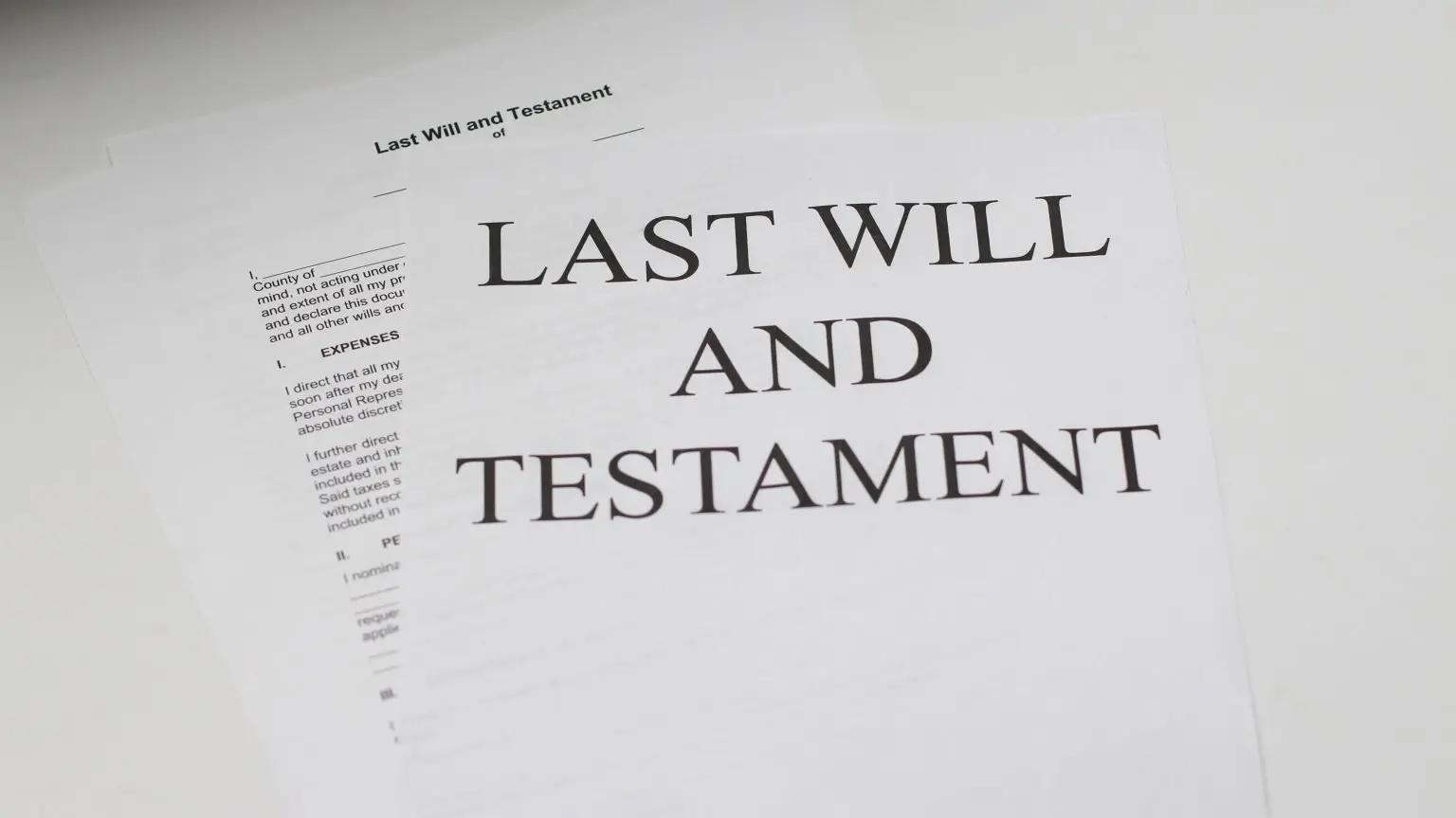
Appointment of an Administrator
When a person does their estate planning, he or she will typically prepare a Last Will and Testament. A Will contains a provision that nominates an Executor.
April 6, 2020