 Sign Up For a Webinar




Latest News
The Pause Can be Uncomfortable
We’ve worked, maybe raised families, contributed to our communities, built careers, invested, and made plans. Then, slowly—or maybe all at once—we realize that, at this point in our lives, our motivations have changed. We still care about the work we do and the people who need us, but we also feel a pull toward something […]

The Executor of an Estate is the individual named by the Decedent in his or her Last Will and Testament to act on behalf of the Estate. The Executor is entrusted with the responsibility of making sure the Decedent’s last wishes are carried out with regard to the disposition of the Decedent’s property, assets and possessions.

It is not unusual for a client to contact me and ask to review their estate plan. This may be precipitated by a recent diagnosis or simply by the passage of time. I have a checklist that I use when reviewing an estate plan if they have a taxable estate.
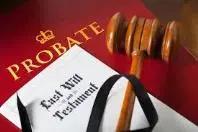
What is probate? When a person dies and leaves a Will, and there are assets in the Decedent’s individual name that do not pass by operation of law, there is a legal process that takes place that is called probate.

My father is about to enter a nursing facility. He may have to spenddown some of his money in order to qualify for Medicaid. I was told that he could pre-pay his own funeral and he may be able to pay for his children’s funeral as well. Is this true?

My sister recently passed away and I just found out that I was named executor of her Will. I am really busy with my job and family and really do not want to serve. Can I decline or resign from being executor?

While discussing an estate plan with a client, she stopped me and said “What is probate.” Sometimes we forget to explain the simplest concepts. Probate is the process by which a Last Will and Testament is given effect.

I heard that there were changes to the STAR property tax relief program. Will I be affected? Does it matter that my house has been transferred into an Irrevocable Trust?

I was recently named as an agent on my mother’s Durable Power of Attorney which included a “statutory gift rider.” What is this document and what responsibilities will I have?
I am unmarried and have no children. My parents are deceased and I have one sibling, a sister. I currently have no will. Who would inherit from my estate if I died without a will?

The typical Medicaid trust is a grantor trust for income and estate tax purposes. The grantor trust rules came about after high earners tried to lower their income tax consequence by scattering their income to various trusts over which they maintained control.