 Sign Up For a Webinar




Latest News
The Pause Can be Uncomfortable
We’ve worked, maybe raised families, contributed to our communities, built careers, invested, and made plans. Then, slowly—or maybe all at once—we realize that, at this point in our lives, our motivations have changed. We still care about the work we do and the people who need us, but we also feel a pull toward something […]

Question: I loaned my friend money and, before he could repay me, he died. Will I still be able to collect the debt owed to me?

Question: As a “millennial”, when is it a good time to start thinking about estate planning? Do I need to accumulate assets before considering planning for my future?

Question: My dad died. He was remarried and survived by a wife and two children from that marriage. I’m a non-marital child. There is no last will and testament. I think he owns some property in his own name but everything else is joint with his wife. What happens now? What rights do I have?

Question: I have a daughter that is 18 years old and has Autism. I know that I need to become her guardian to make decisions for her, but I am not sure about the options. Can you explain them to me?

My husband and I did Last Will & Testaments when our children were young – probably about 20 years ago. Is there any need to update?

Question: I recently signed a last will and testament but it does not list out my assets individually, is that alright? What about my retirement accounts and annuities?

Question: Can you tell me about any updates to estate and gift taxes for 2019?

With people living longer, many turn to a Home Equity Conversion Mortgage, more commonly referred to as a reverse mortgage, for additional income. Reverse mortgages allow seniors to access the equity in their homes and convert same into an income stream.

My father is a widower and was recently diagnosed dementia. I am worried he is becoming incapable of taking care of himself. He never executed a health care proxy or a power of attorney. Can he sign them now? If not, what options do I have to get him the care that he needs?
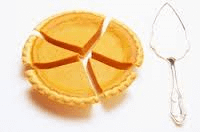
Question: My mother recently passed away. I am the nominated executor of her estate. Her Will directs that all of her personal property is to be shared equally among her children. Can you give me any suggestions about how to divide the personal property?