
 Sign Up For a Webinar




Latest News

Medicaid Estate Recovery: Why You Received a Letter After a Loved One’s Death
When a recipient of homecare or nursing home Medicaid passes away, a state agency will send a letter to the recipient’s estate with the value of the services it rendered for the last ten years preceding the recipient’s death. However, recovery only applies to recipients who were aged fifty-five or older.

Question: I was recently appointed Administrator of my uncle’s estate, but the Decree from the Surrogate’s Court said that I must post a bond. What does that mean?
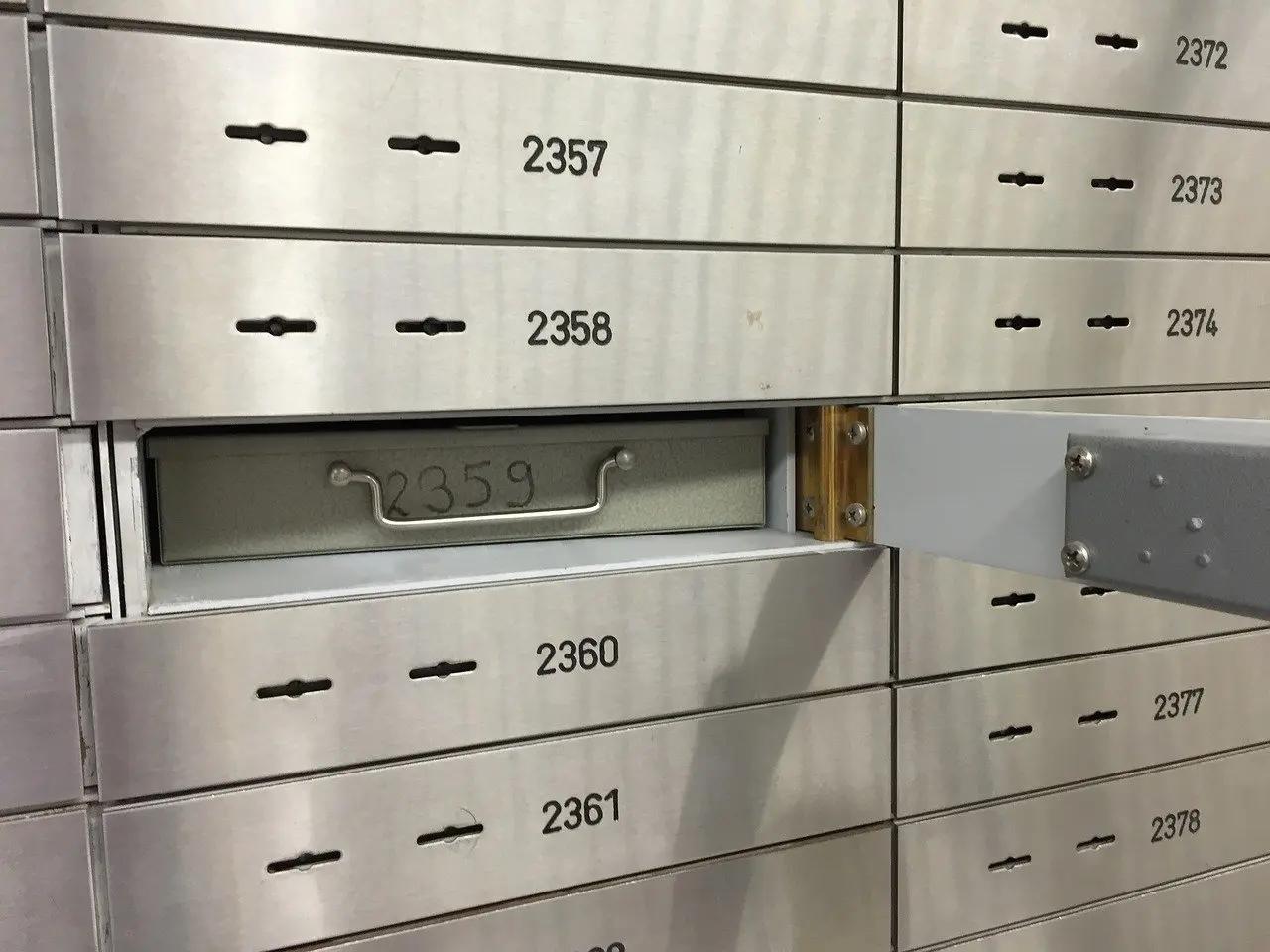
Although it is true that a safe deposit box is a safe place to keep important documents and/or assets, many people do not realize that once the bank is notified of the death of an owner, the box cannot be opened without a court order. This is true even if there is a joint owner named on the safe deposit box and is unlike other jointly owned assets as the assets do not automatically pass to the joint owner.

Real property in the Hamptons has always enjoyed a steady increase in value. But with this increase in value, owners may incur a substantial tax bill from the capital gain in their real property if and when they decide to sell.

The estate tax concept tax known as “portability” is permanent as a result of the enactment of the American Taxpayer Relief Act of 2012. Portability allows a surviving spouse to use a deceased spouse’s unused estate tax exclusion (up to $11.4 million in 2020/$11.7 million in 2021).

Question: I am the Executor of my mom’s estate and am getting ready to distribute the assets. I was just going to divide the money equally between myself and my siblings. Is that a good idea?

With tax planning becoming less of an issue for the average client, the focus in estate planning has shifted to asset protection for intended beneficiaries. As attorneys, we often hear our clients tell us that they plan to leave everything equally to their children, but that they are concerned that one (or more than one!) has creditor issues or are going through a divorce.

Question: My husband and I have been talking about getting our estate planning documents in order. We have a modest estate and three sons ages 2, 5 and 7. What questions should we be thinking about when we see an attorney for a Last Will & Testament?

Question: My mother has a trust that is supposed to protect her assets in case she needs Medicaid in the future. How do assets get into a trust, I am confused.
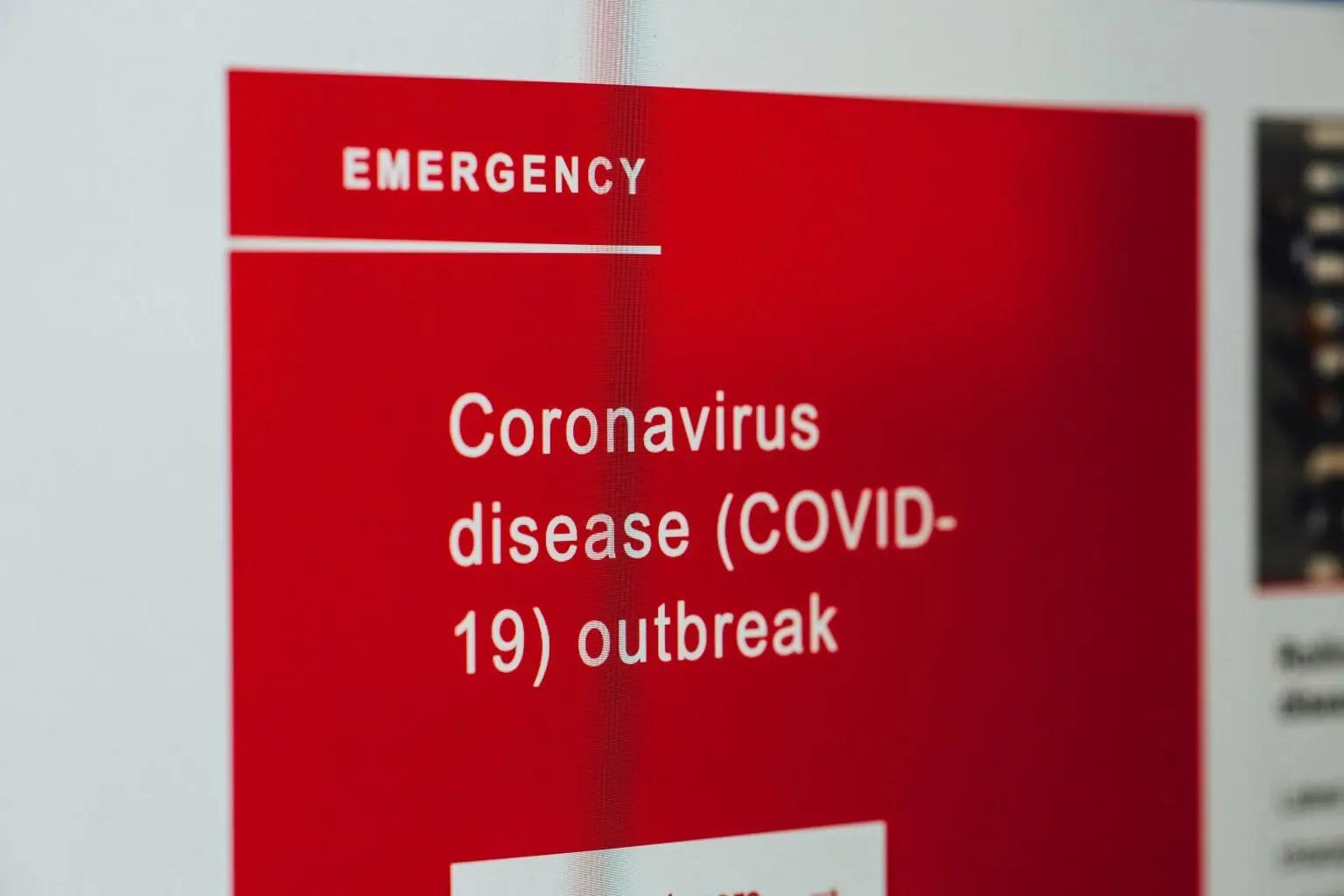
Question: Since COVID-19 started, I have been concerned that I have no estate planning documents in place. What documents should I have? What factors do I need to consider?

In New York, when a person dies with a Will owning assets in his or her sole name, the Will must be probated in Surrogate’s Court in order for the nominated executor to be officially appointed and to have legal authority to collect and distribute the decedent’s assets.
Our Blog
Partner Britt Burner, Esq. explains how often to review your estate planning documents and the life changes that may prompt a review.