
 Sign Up For a Webinar



Latest News

Legacy Contacts and Estate Planning
When we think about estate planning, we typically think about Wills, Trusts, and who will inherit our assets. Often overlooked are our digital assets: the photographs, messages, and documents stored in iCloud. Will your loved ones be able to access them? Not necessarily.

Since the advent of the coronavirus pandemic, we have been approached my people who are nervous because they have no Will or advance directives, but are unable to meet with a lawyer because of the risk. Covid19. People want to know what the consequences are if the get sick or pass away without such documents in place.
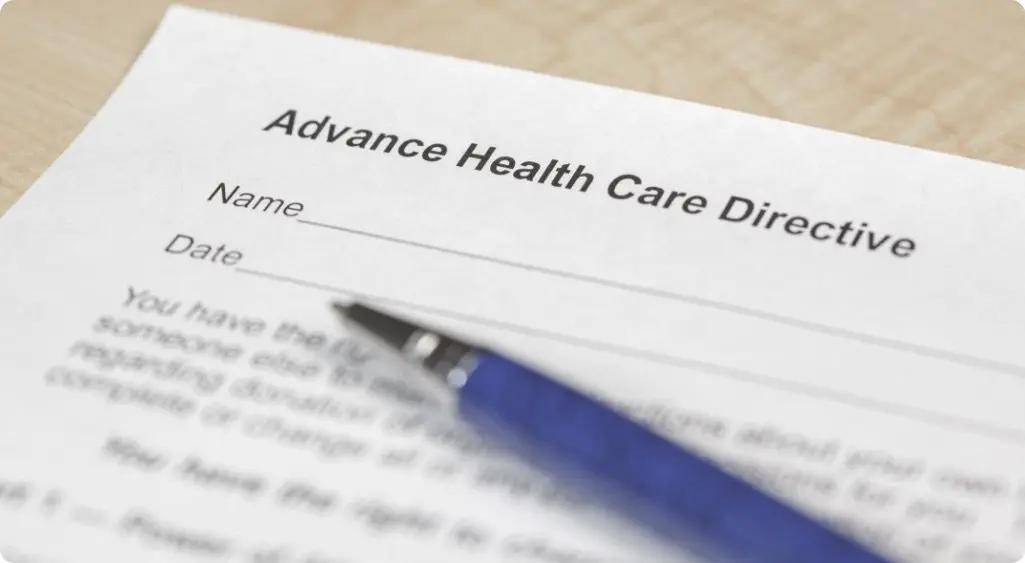
Incapacity and death are usually topics that one attempts to push off to a future date or sweep under the rug. We rationalize – “I am young” or “I am still handling my affairs” or “I will worry about it later”. It is not until we are faced with a life changing event that propels us on a path to deal with the situation at hand.
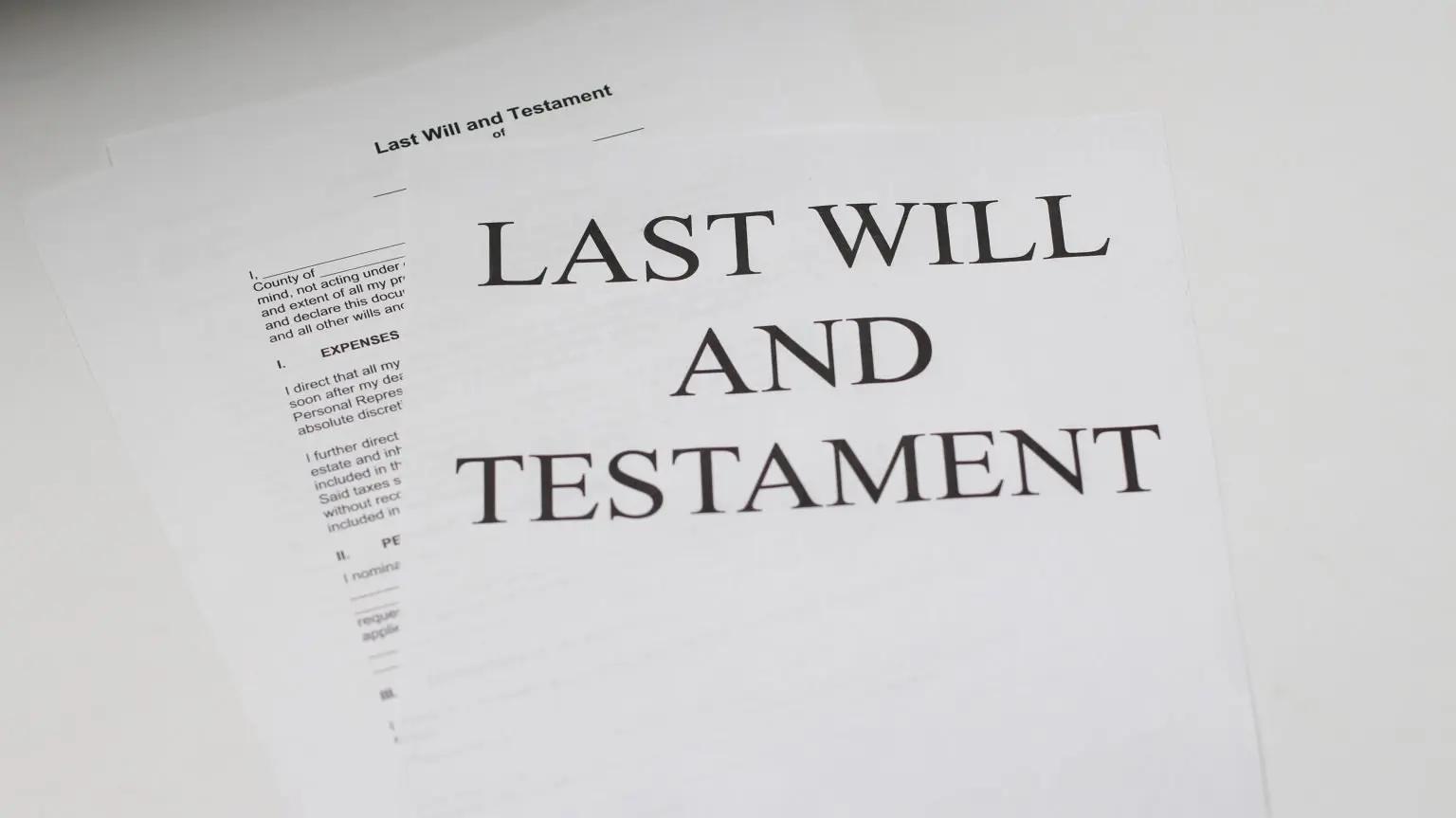
When a person does their estate planning, he or she will typically prepare a Last Will and Testament. A Will contains a provision that nominates an Executor.

Many people use irrevocable trusts as part of their estate plan for tax savings, asset protection and Medicaid planning. In all these types of trusts, the Grantor (creator) of the trust is going to be limited to their access of the principal of the trust in order to ensure that their planning needs are met.

Question: My aunt has nominated me as the Executor of her estate. Someone told me that I am entitled to payment for serving as Executor, is that true?

Question: I transferred ownership of my house to a Medicaid Qualifying Trust ten years ago. I just put it on the market for sale, where will the proceeds go after sale? Are they protected?

Question: My friend told me that when he dies, his house and brokerage accounts are going to go to his children in trusts. I thought that trusts were only for people with large amounts of money that are trying to avoid taxes. Is this true? What are the benefits of his children receiving assets in a trust?
While the beginning of the year is typically tax season, it is important to remember that property tax exemptions can be applied for at this time. There are different programs that homeowners should be aware of in order to potentially save with respect to property taxes.

As the Federal and New York State estate tax exemptions continue to increase over time, clients are less concerned with the tax consequences of their estates and more concerned with protecting their beneficiaries from outside invaders, like divorcing spouses, creditors and long term care expenses. As a result, the wills and trusts we draft today are geared towards protecting those heirs.

The new Setting Every Community Up for Retirement Enhancement (SECURE) Act, effective January 1, 2020, is the broadest piece of retirement legislation passed in thirteen years. The law focuses on retirement planning in three areas: modifying required minimum distribution (RMD) rules for retirement plans; expanding retirement plan access and increasing lifetime income options in retirement plans.
Our Blog
Partner Britt Burner, Esq. explains how often to review your estate planning documents and the life changes that may prompt a review.
