
 Sign Up For a Webinar




Latest News

Medicaid Estate Recovery: Why You Received a Letter After a Loved One’s Death
When a recipient of homecare or nursing home Medicaid passes away, a state agency will send a letter to the recipient’s estate with the value of the services it rendered for the last ten years preceding the recipient’s death. However, recovery only applies to recipients who were aged fifty-five or older.
If you are the beneficiary of an estate or trust and you think that the fiduciary or person in charge is not meeting their obligations, there are procedures in which they can be removed. Surrogate’s Court Procedure Act “SCPA” § 719 lists several grounds upon which a fiduciary can be removed.

Sixty-Eight percent of Americans use some form of social media. What happens to our photographs, conversation, and videos when we die?

Question: Can I name my 10 year old grandchild as beneficiary on my IRA?

Question: My father recently passed away. I have one brother and one sister. The will divides the assets equally among the three of us. My father’s will has nominated my sister as Executor. She declared bankruptcy several years ago and I do not think that she should serve as Executor. Do you have any advice?

Question: My mother just passed away. She did not have a Will, but I know that she wanted me to inherit everything as I am her only child. She was estranged from her husband, who is not my father. I am afraid that without a Will her assets will be taken by the State. What is going to happen?

Question: I have three grandchildren and want to start saving for their college education. Is opening a 529 Plan advisable? What are the implications with respect to my grandchild’s financial aid eligibility and my own estate plan?

Question: I am the Executor of my mom’s estate and there is only $10,000 left in her bank account. A year before she died, my mom had much more money. I think someone may have taken her money before she died. What should I do?

Question: I want to start looking into creating a trust to protect my assets for Medicaid but the idea is over-whelming, can you explain the process?
Question: I have an estate plan in place including a will, power of attorney, and healthcare documents. Is there anything else I need to do?
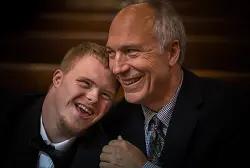
When planning for the differently-abled, the use of Supplemental Needs Trusts as part of your estate planning will ensure that you have provided protections for those with special needs and disabilities. When considering your estate planning it is important to consider any beneficiaries who may have special needs or disabilities.
Our Blog
Partner Britt Burner, Esq. explains how often to review your estate planning documents and the life changes that may prompt a review.