
 Sign Up For a Webinar




Latest News
The Pause Can be Uncomfortable
We’ve worked, maybe raised families, contributed to our communities, built careers, invested, and made plans. Then, slowly—or maybe all at once—we realize that, at this point in our lives, our motivations have changed. We still care about the work we do and the people who need us, but we also feel a pull toward something […]

There are many steps and layers associated with the administration of an estate. Ultimately, for most estates, the goal is to distribute the assets to the respective beneficiaries which are named in the decedent’s Will or are intestate heirs pursuant to the laws of intestacy.

Regardless of your age, the creation and maintenance of a thorough Estate Plan is essential. An Estate Plan ensures that your needs, your family’s needs, and financial goals are met during your lifetime and upon your death.

The person selected to act as the Executor can be anyone that the testator wants to be in charge of administration of the estate. There is no requirement that the Executor have any experience or expertise in handling estate matters or have any financial background.

I just completed my estate plan and will be seeing my children over the holidays. What can I tell them about the role they will play as my Health Care Proxy, Power of Attorney, Executor and/or Trustee?

Should I update my power of attorney every few years even if my agents have not changed?

In our Elder Law practice, we often times see our clients experiencing difficulty in getting health care information regarding a love one. While privacy and HIPAA are important, you want to ensure that you are able to get important information regarding your love one’s medical condition.
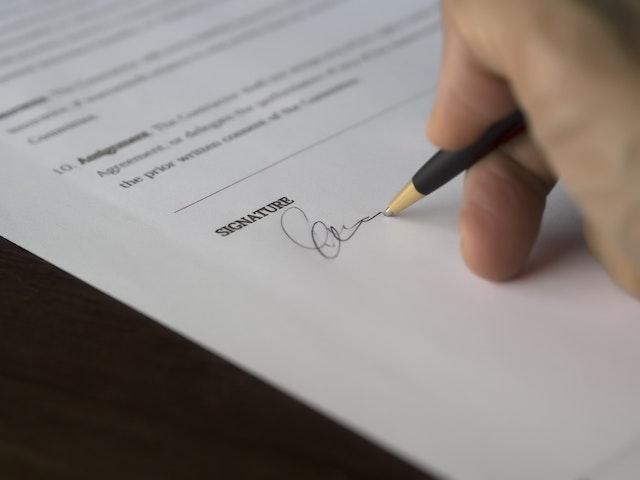
Why do I need a Power of Attorney? Can I just use the Power of Attorney form provided by my bank?

I recently completed my estate planning which included doing an irrevocable trust to protect my assets in case I need Medicaid in the future. I have nominated my 35 year old daughter to be my Trustee. What kind of estate planning should my daughter be doing? She is married and has two small children.

My mother recently passed away and I cannot locate her original Will; I can only find a copy. Can I submit the copy to the Surrogate’s Court for probate?

I have been living with my partner for the last 25 years. While I want to provide for him in my estate plan, I want to be sure when we are both deceased, my assets pass to my children from my first marriage. Can this be accomplished?
Our Blog
Partner Britt Burner, Esq. explains how often to review your estate planning documents and the life changes that may prompt a review.