 Sign Up For a Webinar




Latest News

The Pause Can be Uncomfortable
We’ve worked, maybe raised families, contributed to our communities, built careers, invested, and made plans. Then, slowly—or maybe all at once—we realize that, at this point in our lives, our motivations have changed. We still care about the work we do and the people who need us, but we also feel a pull toward something […]
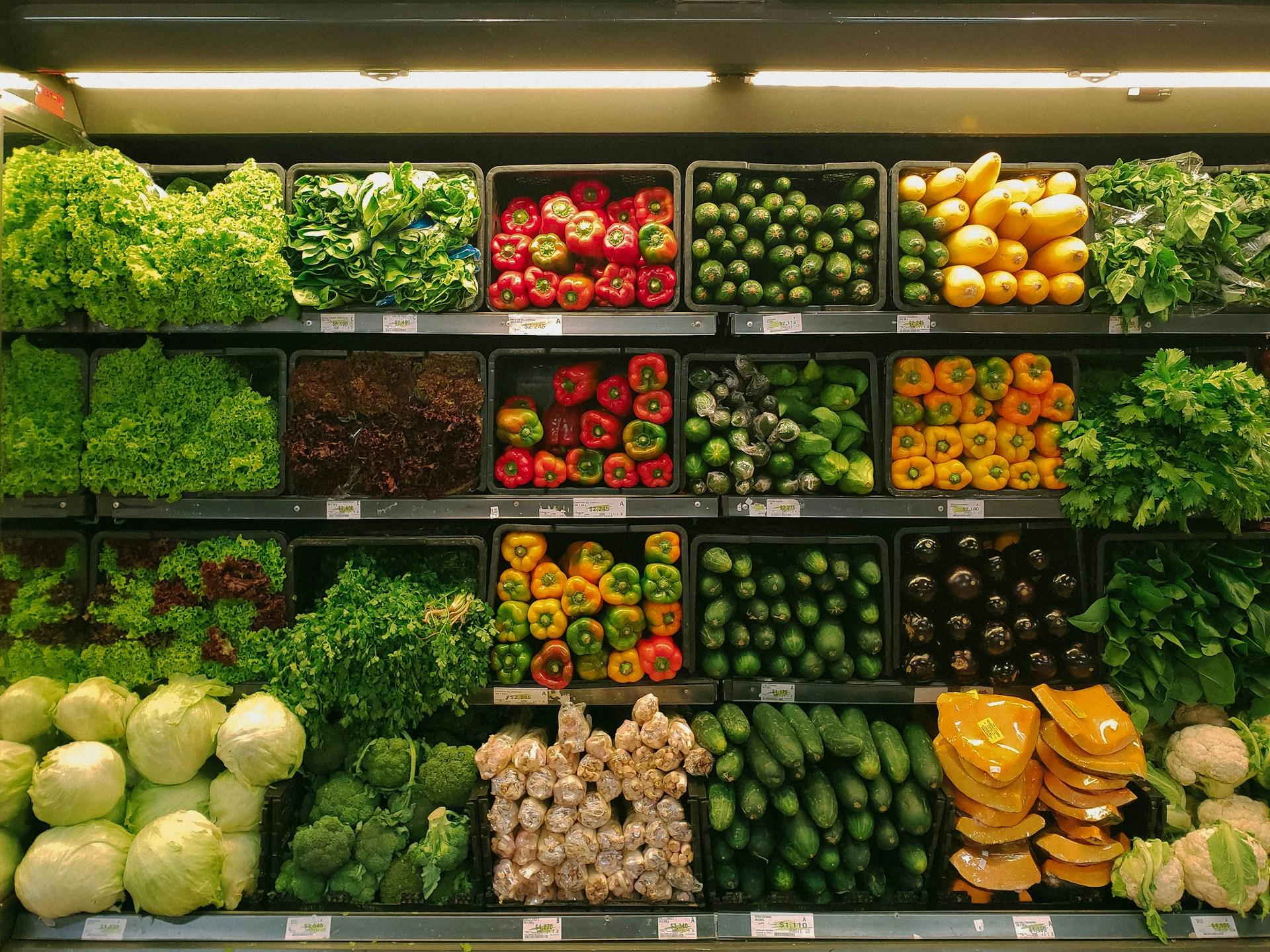
Starting September 30, 2024, food will no longer be considered “In-Kind Support and Maintenance” (ISM) for SSI purposes.

The right trust for you will depend on the problems you are trying to solve. This blog post breaks down some of the most common types of trusts and when they might be beneficial.

A SLAT is an irrevocable trust created by one spouse for the benefit of the other that can help reduce estate tax liability at the time of death.

Understanding the rules of the irrevocable trust and who can access the trust can be complicated. Here are some rules to keep in mind.

If you're a trustee of a Medicaid Asset Protection Trust (MAPT) established by a loved one—such as a parent—you might wonder about the tax implications of this role, especially as Tax Day approaches. It's crucial to understand the nuances of tax reporting for these trusts to ensure compliance and avoid potential penalties.

In today's diverse society, the definition of a “typical” family has evolved far beyond the traditional model of two spouses and their joint children. Blended families, long-term partnerships with children from previous relationships, and single-by-choice parents are now common.

Question: I had an irrevocable trust drawn up for me years ago. What are its benefits, and do I need to update it?


Revocable Trusts have become increasingly popular estate planning tools to avoid probate. A trust allows for the orderly and private administration of your assets at death without court involvement.

Q: My grandparents on my mom’s side are leaving me their house in their will after they both pass away, will I be able to sell it right away?