
 Sign Up For a Webinar




Latest News
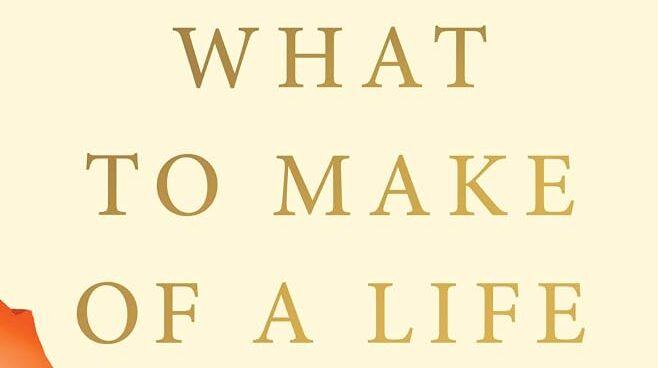
The Pause Can be Uncomfortable
We’ve worked, maybe raised families, contributed to our communities, built careers, invested, and made plans. Then, slowly—or maybe all at once—we realize that, at this point in our lives, our motivations have changed. We still care about the work we do and the people who need us, but we also feel a pull toward something […]

New York offers an exemption or credit towards school taxes to homeowners who meet certain criteria, through a program called the New York State School Tax Relief.

If a person does not have the mental capacity to sign either a power of attorney or health care proxy, Article 81 guardianship may be appropriate.

The end of the year is a practical time to check whether anything has changed since you last reviewed your plan. An estate plan reflects your assets, the people and causes important to you, and your wishes at the time it was signed.

Many people are surprised to hear that a person’s debt does not simply go away upon his death. When someone passes away, his debts are typically owed by, and paid out of, his estate.

I read Virginia Woolf’s A Room of One’s Own at an impressionable age. It was the 1980s, and women were grappling with issues of economic independence and freedom. I came away from that book believing, perhaps too simply, that economic independence was the key to every other kind of independence.

Business owners spend years building their companies, but too often they fail to plan for what happens when they are no longer able to run the business.

Retirement accounts come in different shapes and sizes. Estate planning for retirement accounts varies depending on the type of account. The most common kinds of retirement accounts include 401(k)s, pensions, and Individual Retirement Accounts, or “IRAs.”

The "Pied-à-Terre Tax" is also known as the "Non-Primary Residence Property Surcharge." It is an annual tax imposed by the New York City Department of Finance on secondary residential properties, or a property within the five boroughs which is not a primary residence.

My husband Michael is not here, but forty-six years ago today we were married and began a life together. That life happened. That love happened. It was not always easy.

Ideally, estate planning is completed before a health crisis or dementia diagnosis. But a diagnosis doesn't necessarily mean it's too late. If a loved one has recently been diagnosed, it's important to find out what can still be done before those options become more limited.
In The Media
-

Burner Prudenti Law Featured in Forbes, Fortune, and Entrepreneur
This year marks a major milestone for Burner Prudenti Law: our 30th anniversary serving individuals and families across Long Island and New York City.
August 19, 2025 -
Hon. Gail Prudenti Named a 2025 Dynamic Women Leader by Long Island Business News
At Burner Prudenti Law, we are thrilled to celebrate our partner, Hon. Gail Prudenti, for being named one of Long Island Business News’ Most Dynamic Women Leaders of 2025.
July 15, 2025 -
Estate Planning for Blended Families: Insights from Britt Burner
Britt Burner, Partner at Burner Prudenti Law, P.C., recently spoke at a Continuing Legal Education (CLE) event hosted by the Columbian Lawyers Association of Brooklyn
May 5, 2025 -
Matthew Kiernan Named a 2025 Top Lawyer of Long Island
Matthew Kiernan, Esq. was honored as a 2025 Top Lawyer of Long Island by RichnerLIVE Events and the Long Island Herald!
April 14, 2025 -
Burner Prudenti Named TBR News Media Reader’s Choice for Best Attorney / Lawyer
Burner Prudenti is honored to share that we were named the Best Attorney / Lawyer in the 2024 TBR Readers’ Choice issue!
March 31, 2025 -
Nancy Burner Recognized as One of Super Lawyers’ “Top 50 Women” For the Sixth Year in a Row
March 20, 2025






Our Blog
We’re pleased to share that Britt Burner is now the Trust & Estates Expert Contributor for Greater Westhampton Neighbors magazine!
Modern legal practice is poised at the intersection of tradition and transformation with lawyers and firms struggling to fit the square pegs of ancient doctrines and procedures into the round holes of globalization, technology and economic shifts.
We’re proud to share that our Partner, Hon. Gail Prudenti, has written a featured column for Long Island Business News titled “Understanding New York’s Court of Claims.”
In the landmark case of Connelly v. United States, the Supreme Court addressed critical issues concerning the estate tax implications of life insurance proceeds used in the redemption of stock in closely held corporations.
Our criminal courts protect victims. Our civil courts provide a forum for the peaceful resolution of disputes. Our family and surrogate’s courts guide families through what may be the most traumatic experience of their lives.
As we reflect on the complexities of family law, let us work together to support our justices, understanding the weight of their responsibilities and the importance of their decisions.