
 Sign Up For a Webinar




Latest News

Virginia, Gloria and Dolly – A Room of One’s Own
I read Virginia Woolf’s A Room of One’s Own at an impressionable age. It was the 1980s, and women were grappling with issues of economic independence and freedom. I came away from that book believing, perhaps too simply, that economic independence was the key to every other kind of independence.

There are several planning methods that can be utilized throughout your lifetime to reduce or eliminate taxes upon your death. Gifting is one option to avoid estate taxes.

For certain retirement accounts, the IRS requires you to take distributions based upon your life expectancy once you reach the age of 72 ½ (the required age was raised from 70 ½ with the passage of the SECURE Act in December 2019). As a result of the COVID-19 emergency, the CARES Act suspended the requirement to take these distributions in 2020.

Question: I was recently appointed Administrator of my uncle’s estate, but the Decree from the Surrogate’s Court said that I must post a bond. What does that mean?

Question: I heard that the United States Supreme Court recently issued a decision that inherited IRA’s are not protected from creditors in bankruptcy; can you explain this to me?

Question: I will be turning 72 later this year and I know that I have to begin taking my required minimum distribution. I have heard that there are penalties assessed by the IRS if I do not take the distribution correctly, can you explain this to me?

As of Monday, May 18, 2020, any uncontested probate, administration and small estate matter involving an individual who passed away due to COVID-19 related causes is deemed an essential matter.

It is difficult to escape stories in the news today about the rise in COVID cases in nursing facilities in New York State and around the country. Given the vulnerability of the senior population to the virus, we were not surprised to hear in the beginning of March that the nursing homes were being “locked down.”
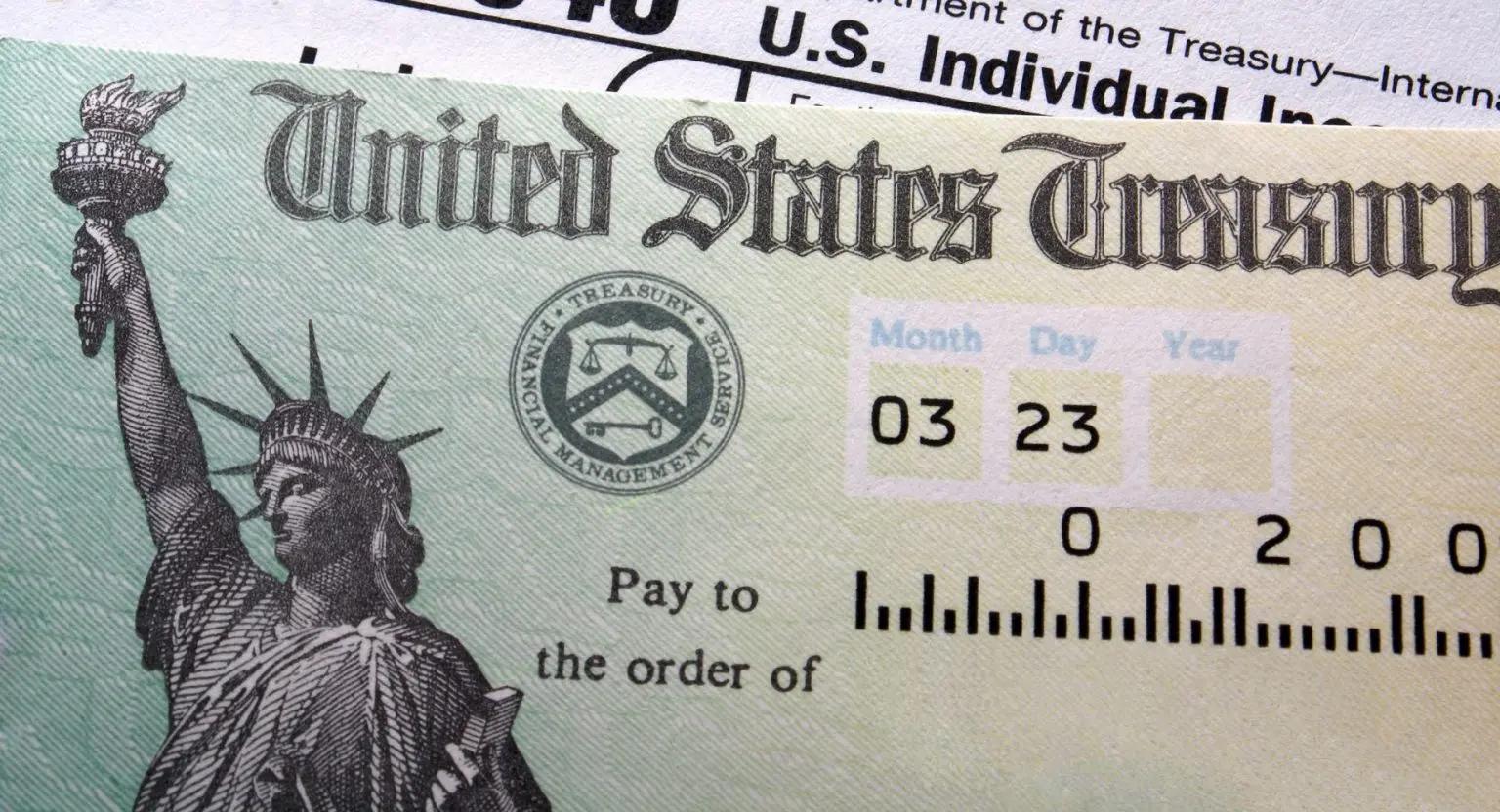
Millions of Americans have already received their Economic Impact Payments (EIP) authorized by the Coronavirus Aid, Relief, and Economic Security Act (CARES Act). The Internal Revenue Service (IRS) continues to automatically send the EIP to most eligible individuals. Many have received checks payable to taxpayers who died in 2018 or 2019 since payments were based upon either 2018 or 2019 Income Tax filings.

Question: My husband passed away a couple of months ago. All of our assets were held jointly except for one of our cars, which was held in his sole name. The car is worth about $20,000.00. What do I need to do to transfer the car into my name? Do I need to go to Court?

Retirement can be an exciting new chapter in someone’s life, but it also may be stressful. The change of lifestyle and income source can lead to anxiety for many individuals reaching retirement.