
 Sign Up For a Webinar




Latest News

The Pause Can be Uncomfortable
We’ve worked, maybe raised families, contributed to our communities, built careers, invested, and made plans. Then, slowly—or maybe all at once—we realize that, at this point in our lives, our motivations have changed. We still care about the work we do and the people who need us, but we also feel a pull toward something […]

The executor is a fiduciary of the estate and must administer the estate in accordance with the decedent’s wishes as stated in the will. Generally, the duties of an executor are as follows:

Question: My husband passed away a couple of months ago. All of our assets were held jointly except for one of our cars, which was held in his sole name. The car is worth about $20,000.00. What do I need to do to transfer the car into my name? Do I need to go to Court?

An executor is responsible for paying all outstanding the debts from the assets of the estate. The executor is not personally liable for the debts and the Fair Debt Collection Practices Act prohibits collection attempts against a surviving relative or beneficiary.

The Executor or Administrator of an Estate may be required to file three separate returns: an individual tax return for the decedent, estate income tax return and estate tax return.
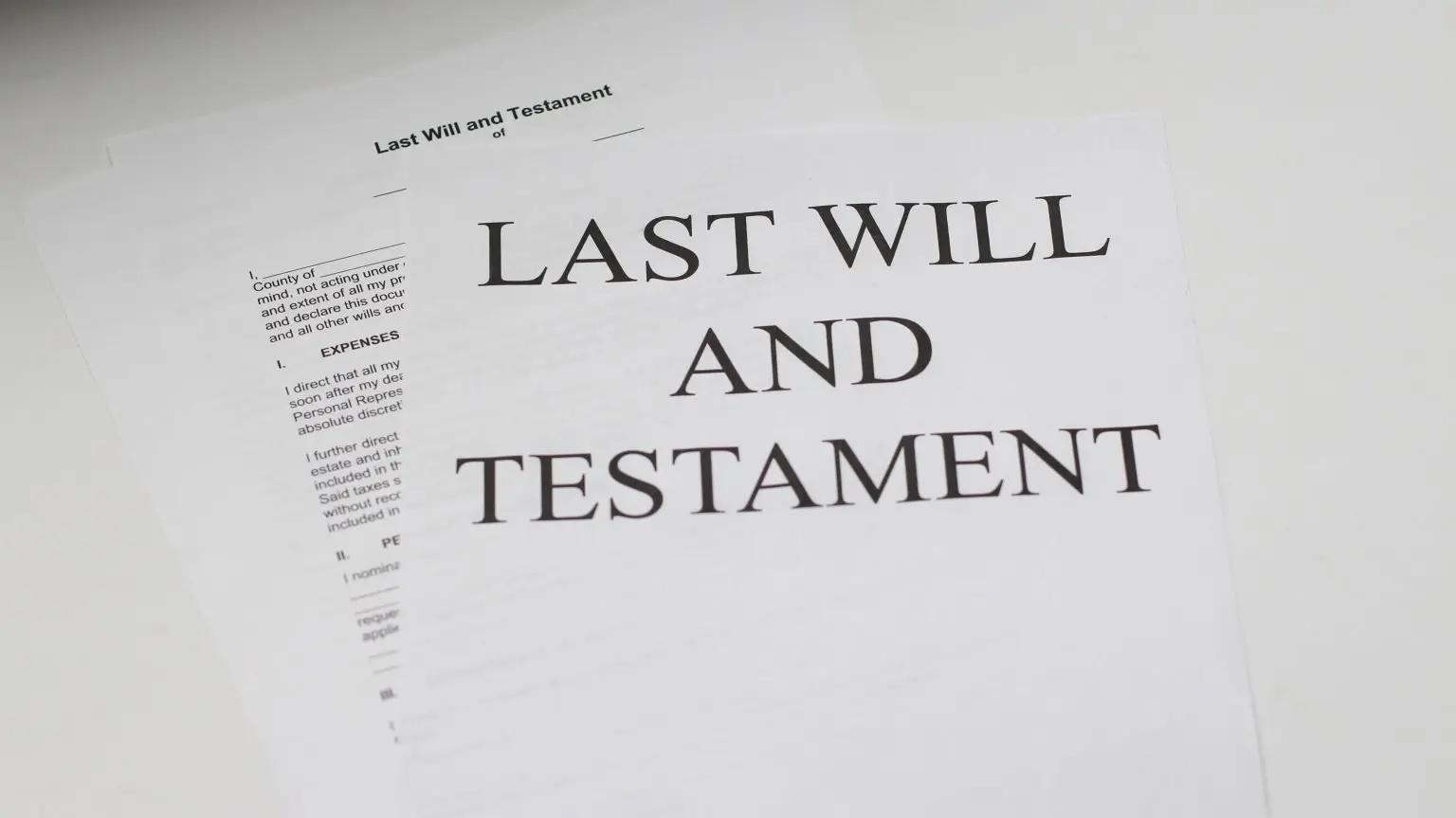
When a person does their estate planning, he or she will typically prepare a Last Will and Testament. A Will contains a provision that nominates an Executor.

Question: My aunt has nominated me as the Executor of her estate. Someone told me that I am entitled to payment for serving as Executor, is that true?

The Tax Cuts and Jobs Act (the “Act”) increased the federal estate tax exclusion amount for decedents dying in years 2018 to 2025. The act is set to sunset on December 31, 2025.

Question: My mom had a Will from 10 years ago that left everything equally to me and my siblings. Right before she died, I found out my brother made her sign a new Will that left everything to him. I don’t think she understood what she was signing. What should I do?

Losing a spouse is an extremely difficult time in life and handling the administration of their estate can be a stressful experience. When you are ready, it is important to seek the advice of an estate planning and elder law attorney to discuss what needs to be done on behalf of your spouse’s estate and also what planning you need to do for your own estate.

If you are the beneficiary of an estate or trust and you think that the fiduciary or person in charge is not meeting their obligations, there are procedures in which they can be removed. Surrogate’s Court Procedure Act “SCPA” § 719 lists several grounds upon which a fiduciary can be removed.